Loranthus

Parasitic plant: Scurrula parasitica Crop: Citrus   Why is it a problem? This parasitic plant can reduce growth and vigour of citrus trees. It is easily managed, and only causes serious problems in neglected orchards. Where and when is it a problem?  It occurs in all citrus growing areas from …

Print Friendly, PDF & Email

Rice sheath blight

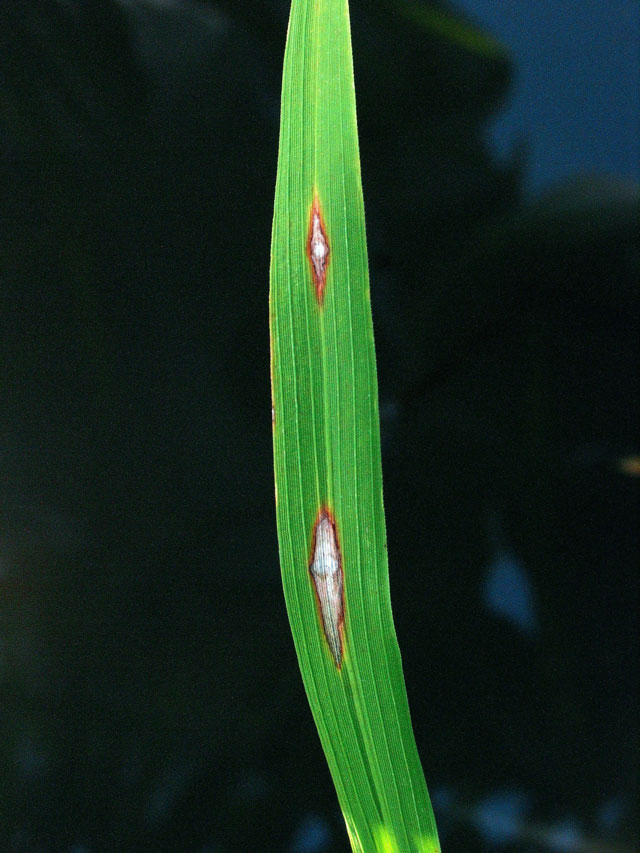
Thanatephorus cucumeris (or Rhizoctonia solani)   Crop: Rice   Why is it a problem? This fungus can kill rice plants, or result in greatly reduced yields. Patches of dying rice can be very noticeable. However, the disease normally does not spread fast, and at present it is not a cause for …

Print Friendly, PDF & Email

Rice blast

Pyricularia oryzae   Crop: Rice   Why is it a problem? Severe epidemics of this fungus have resulted in large scale losses, including total loss by some farmers. However, it may not be as severe after widespread adoption of more resistant rice varieties following the epidemics during the 1990s. Where and …

Print Friendly, PDF & Email

Plant and leaf hoppers

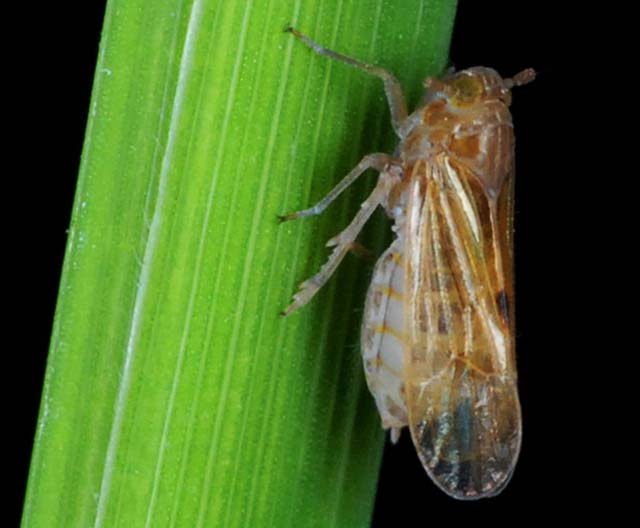
Several species of Cicadellid and Delphacid bugs Crop: Rice Why is it a problem? Leaf hoppers and plant hoppers are sap-sucking insects that at high densities can desiccate and ultimately kill patches of rice plants (called hopper burn). However, it rarely requires management in Bhutan.  Some species can also transmit …

Print Friendly, PDF & Email

Rice stem-borers

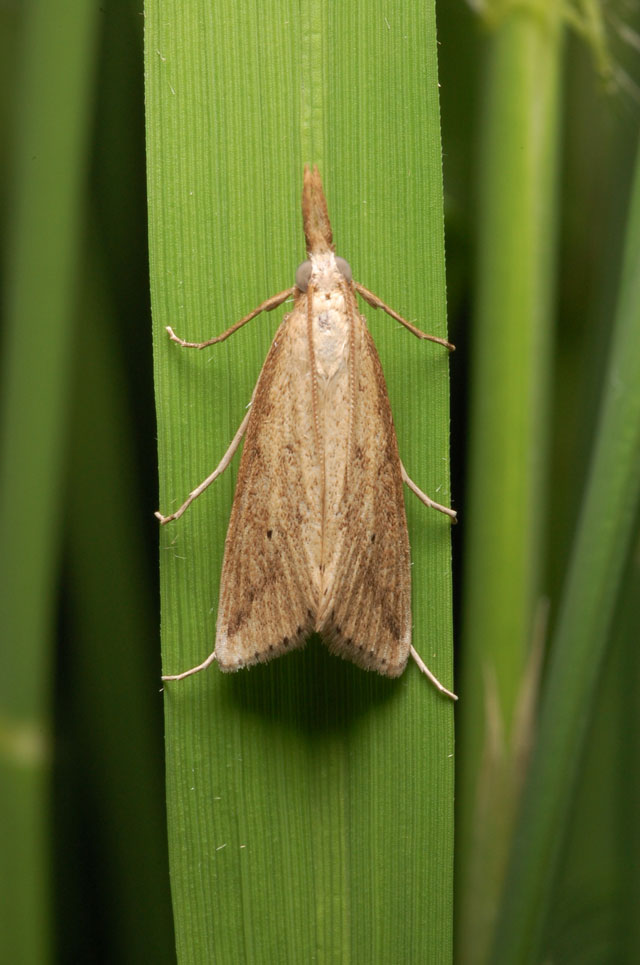
Four moth species Crop: Rice Why is it a problem? There are at least four species of stem-boring moths affecting rice in Bhutan. They kill the central shoot at the vegetative stage and can result in seed loss at later stages. Rice plants can compensate for early damage, and management …

Print Friendly, PDF & Email

Rice leaf folder

Cnaphalocrocis medinalis Crop: Rice Why is it a problem? The rice leaf folder attacks the tillering and booting stages. High densities can reduce seed production, but this is rare and management is normally not needed. Where and when is it a problem? It is a commonly encountered pest, in part …

Print Friendly, PDF & Email

Rice caseworm

Parapoynx stagnalis Crop: Rice Why is it a problem? This leaf-feeding moth causes most damage within 2-3 weeks of transplanting. They cut off leaf tips, thereby reducing plant growth rates. Where and when is it a problem? It is more serious in poorly drained fields, but damage is rarely serious …

Print Friendly, PDF & Email

Rice Ear-Cutting Caterpillar/ Oriental armyworm

Pseudaletia separata (or Mythimna separata)        Crops: Rice, maize, wheat and buckwheat Why is it a problem? Armyworms can cause heavy losses to rice nurseries, with caterpillars destroying seedlings. They also attack rice and maize fields and, to a lesser extent, barley and bitter buckwheat. Although not quantified in Bhutan, considerable …

Print Friendly, PDF & Email

Asiatic citrus psyllid

Diaphorina citri Crop: Citrus Why is it a problem? The Asiatic citrus psyllid (ACP)  is the primary vector of the devastating disease, huanglongbing (HLB). Management of the vector is important to slow the spread of the disease within and between orchards. At high densities direct feeding can also damage plants, …

Print Friendly, PDF & Email

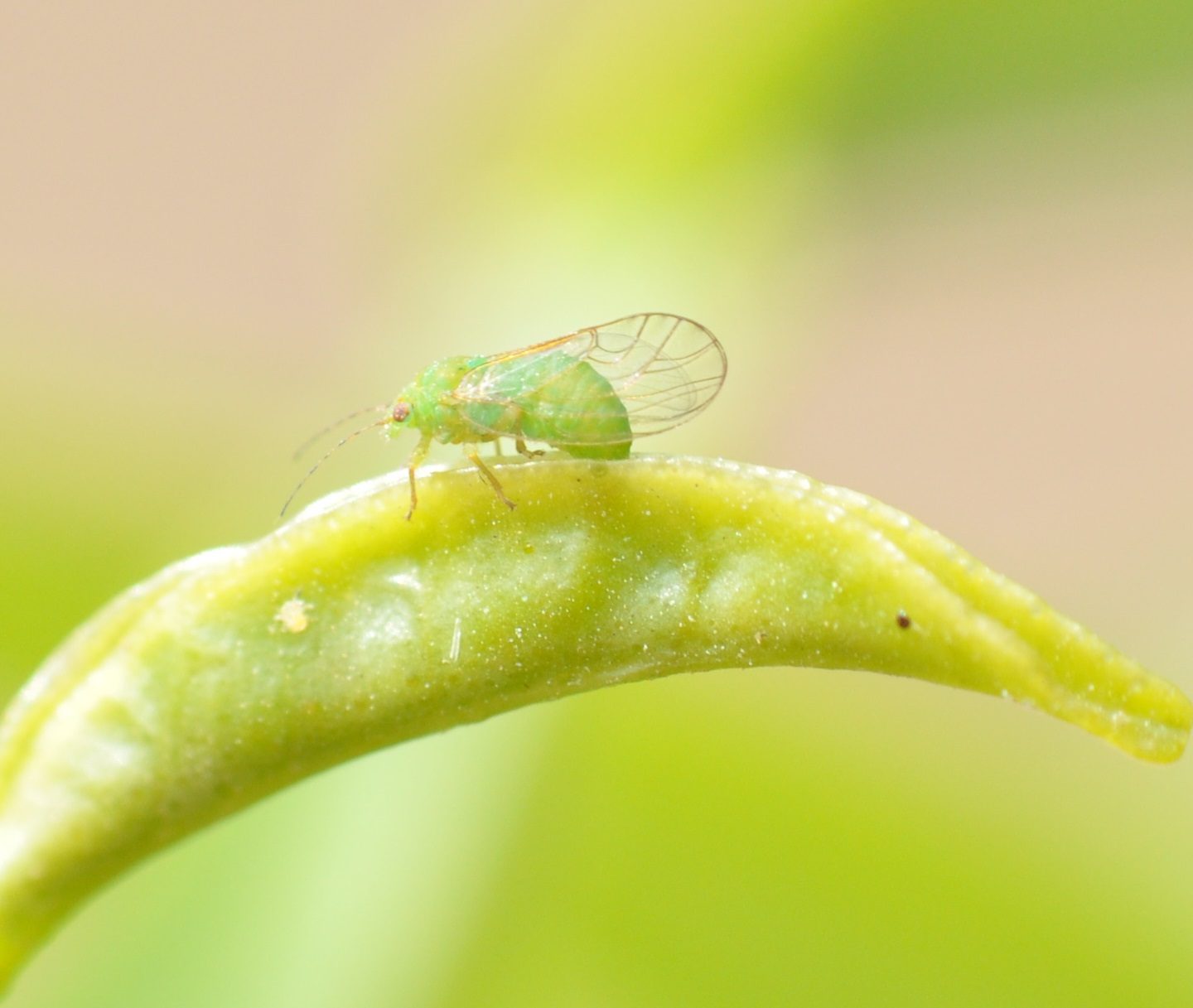
Green citrus psyllid

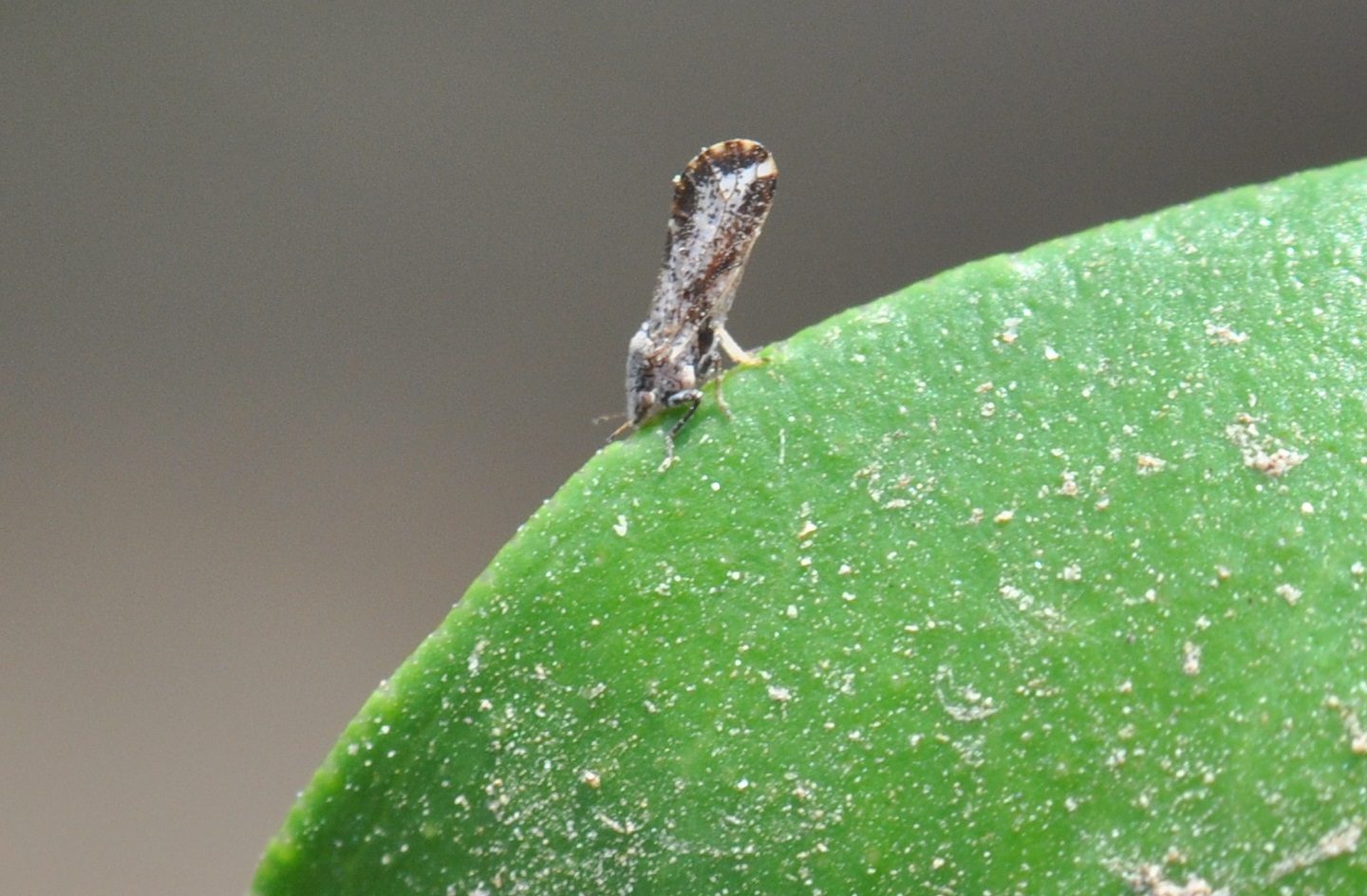
Cacopsylla heterogena Crop: Citrus   Why is it a problem? The green citrus psyllid causes direct damage to new growth of both young and adult citrus trees. This is expected to reduce growth rates and yield. It is not known to vector the HLB pathogen although adults can acquire the …

Print Friendly, PDF & Email